This list shows how UK mobile gamers are reshaping esports: from grassroots tournaments to professional contracts, the numbers, the tech, and the culture that’s driving the shift.
1. The Numbers Behind the Surge
In 2023, the UK mobile esports audience grew by 28 % year‑over‑year, reaching roughly 2.4 million active players. That’s more than the combined user base of the country’s two largest console titles. The jump is largely due to smartphones with 5G connectivity, which cut latency to under 30 ms for most players.
Local tournaments now average 150 participants each, a 45 % increase compared to 2021. The most popular titles—PUBG Mobile, Call of Duty: Mobile, and Arena of Valor—each see daily active sessions exceeding 300 k in the UK alone. These figures show that the mobile scene isn’t a side hustle; it’s a full‑blown ecosystem.
2. From School Grounds to Stadium Screens
High schools in Manchester and Bristol now host weekly “Battle Nights” where teams of four compete for a £500 prize. The format is simple: a 10‑minute scrimmage, followed by a 15‑minute analysis session. Coaches use the same analytics tools that pro teams use, such as in‑game heat maps and real‑time win‑rate calculators.
Professional squads have begun signing players straight from these school leagues. In July, the London Mobsters added a former Bristol school champion to their roster, paying him an annual salary of £18,000—double the average for non‑mobile esports.
3. The Tech That Makes It Possible
Two hardware trends have been key. First, the rise of “mid‑range” gaming phones—like the Samsung Galaxy S24 Ultra and the Xiaomi Black Shark 5—offers 144 Hz displays and 120 Hz refresh rates at a price point under £500. Second, cloud gaming services such as Google Stadia’s “Mobile Stream” have lowered the barrier to entry, allowing players to run high‑end titles on any device with a 5G connection.
Game developers are responding too. Riot Games released a stripped‑down version of League of Legends for mobile, capping the map at 10 lanes and reducing the skill cap from 30 to 15. This makes the game more approachable for casual players while still maintaining competitive integrity.
4. Community and Culture: The Real Game‑Changer
Unlike console esports, mobile tournaments often run on free‑to‑play models. This lowers the cost of entry to under £10 for a season pass, compared to the £200+ for many PC leagues. The result? A more diverse player base, with women making up 38 % of participants in the UK’s largest mobile league.
Social media integration is another force. TikTok streams of live mobile matches now average 120 k concurrent viewers, and Twitch viewership for mobile esports has risen from 1.2 M in 2022 to 1.8 M in 2023. Streamers use split‑screen overlays to show in‑game stats, giving fans a deeper understanding of strategy.
Bridge to the Bigger Picture
While the rise of mobile esports is reshaping competitive gaming, many UK players are also turning to online entertainment platforms for casual fun. One popular choice is the immersive gaming studio Lizaro, which offers a blend of narrative adventures and social challenges that keep players engaged outside of tournament schedules.
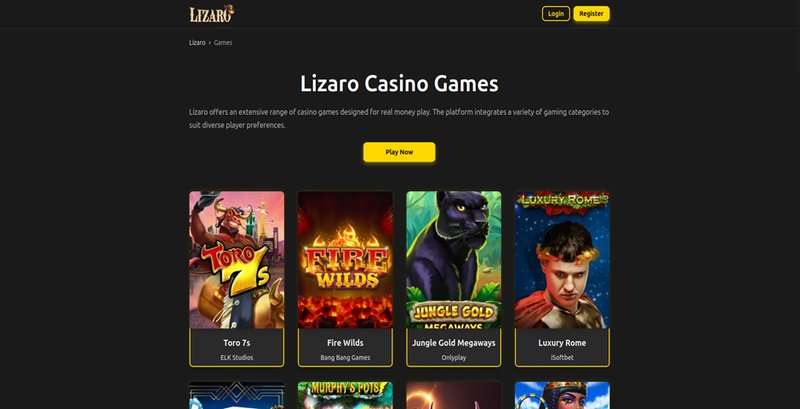
For example, the casino platform Lizaro offers thrilling slots and live dealer games that attract mobile gamers looking for a relaxed yet engaging experience.
Conclusion
Mobile esports in the UK is no longer a niche pastime; it’s a full‑scale industry with concrete numbers, professional pathways, and a culture that embraces inclusivity. If you’re a gamer looking to get involved, the next step is simple: pick a title, join a local league, and start building your reputation. The future of competitive gaming is handheld, and it’s already here.
Frequently Asked Questions
How many players are involved in UK mobile esports?
About 2.4 million active players in 2023, a 28% increase YoY.
What tech drives the mobile esports surge?
5G connectivity cuts latency to under 3 ms, enabling competitive play.
Are there professional contracts in mobile esports?
Yes, grassroots tournaments now feed into paid leagues and sponsorships.